


Four LSU Faculty Earn Highly Prestigious NSF CAREER Awards
September 14, 2026
The winning research projects span hurricane resilience, molecular machines, post-quantum software security, and defenses against online scams.
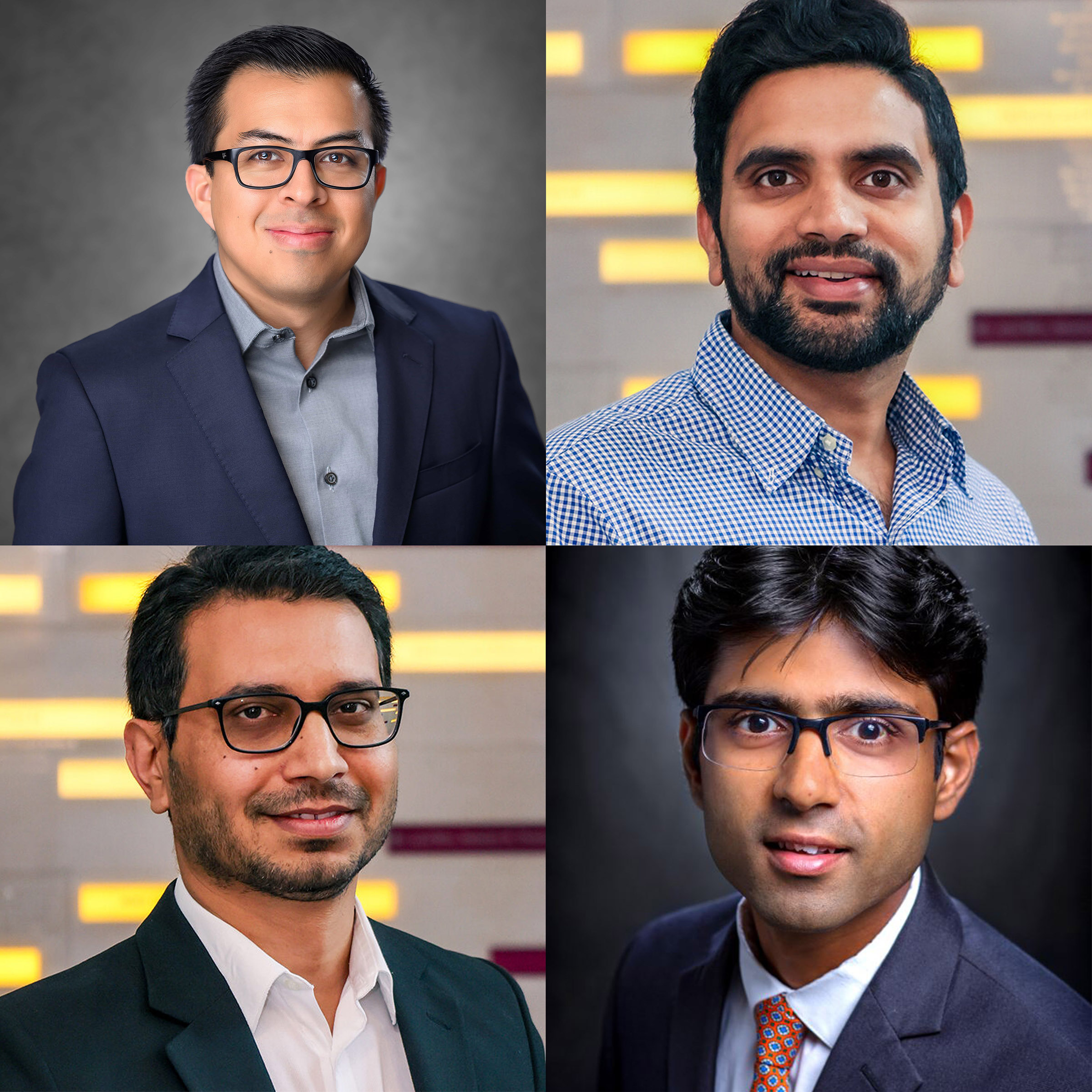
Clockwise from the top left: Víctor García-López, assistant professor of chemistry; Phani Vadrevu, assistant professor of computer science and engineering with a joint appointment in the Center for Computation & Technology; Sabarethinam Kameshwar, associate professor of civil and environmental engineering; and Umar Farooq, assistant professor of computer science and engineering.
Four LSU faculty members have been awarded the National Science Foundation’s most prestigious grant for early-career researchers, bringing more than $2.4 million to LSU.
The recipients are Umar Farooq, assistant professor of computer science and engineering; Víctor García-López, assistant professor of chemistry; Sabarethinam Kameshwar, associate professor of civil and environmental engineering; and Phani Vadrevu, assistant professor of computer science and engineering with a joint appointment in the Center for Computation & Technology.
“With four NSF CAREER awards this year, LSU is well on its way to becoming a top 50 research university by attracting and developing top talent. These awards go to those who NSF believes are the future of science and engineering.”
Robert Twilley, LSU Vice Chancellor of Research and Economic Development
The CAREER program is the National Science Foundation’s flagship award for faculty at the start of their independent careers. Only untenured, tenure-track researchers can apply. Awards run five years and start at $400,000, and the agency makes about 500 of them a year across all of its directorates.
Every CAREER award pairs research with education and outreach, which is what sets the program apart from other federal grants. A winning proposal cannot only advance research, so the award is an unusually direct measure of whether a university is recruiting the researchers who will lead their fields as well as train the next generation of scientists and engineers.
Learn more about the winning faculty and their research below.
Getting Software Ready for the Day Quantum Computers Arrive
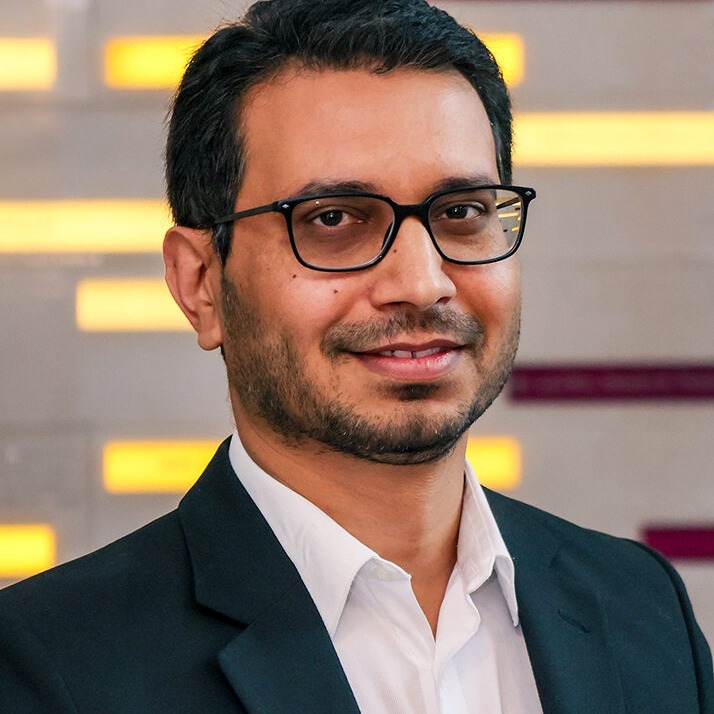
Umar Farooq
Umar Farooq’s project, “Securing Software for the Quantum Era via Program Analysis-Guided AI Migration,” has been awarded $506,020 to help organizations manage quantum security risks. When practical quantum computers arrive, they will be able to break the cryptography protecting banks, hospital records, and the power grid. Upgrading federal systems alone is projected to cost $7.1 billion against a 2031 deadline, and the job means digging decades of old cryptography out of production code and replacing it without breaking the systems that depend on it.
Farooq is building three tools that work together: a Quantum-Readiness Index that scores where the risk lives inside a codebase, a Cryptographic-Dependence Graph that maps how vulnerable code connects to everything around it, and an AI-driven migration pipeline that generates and tests post-quantum patches against real code constraints. Every major Louisiana industry, including construction, energy, and health care, will eventually need these tools. The award also funds curriculum development in post-quantum software engineering, an emerging skill set with almost no trained workforce.
Molecular Machines That Move Cell Membranes with Light
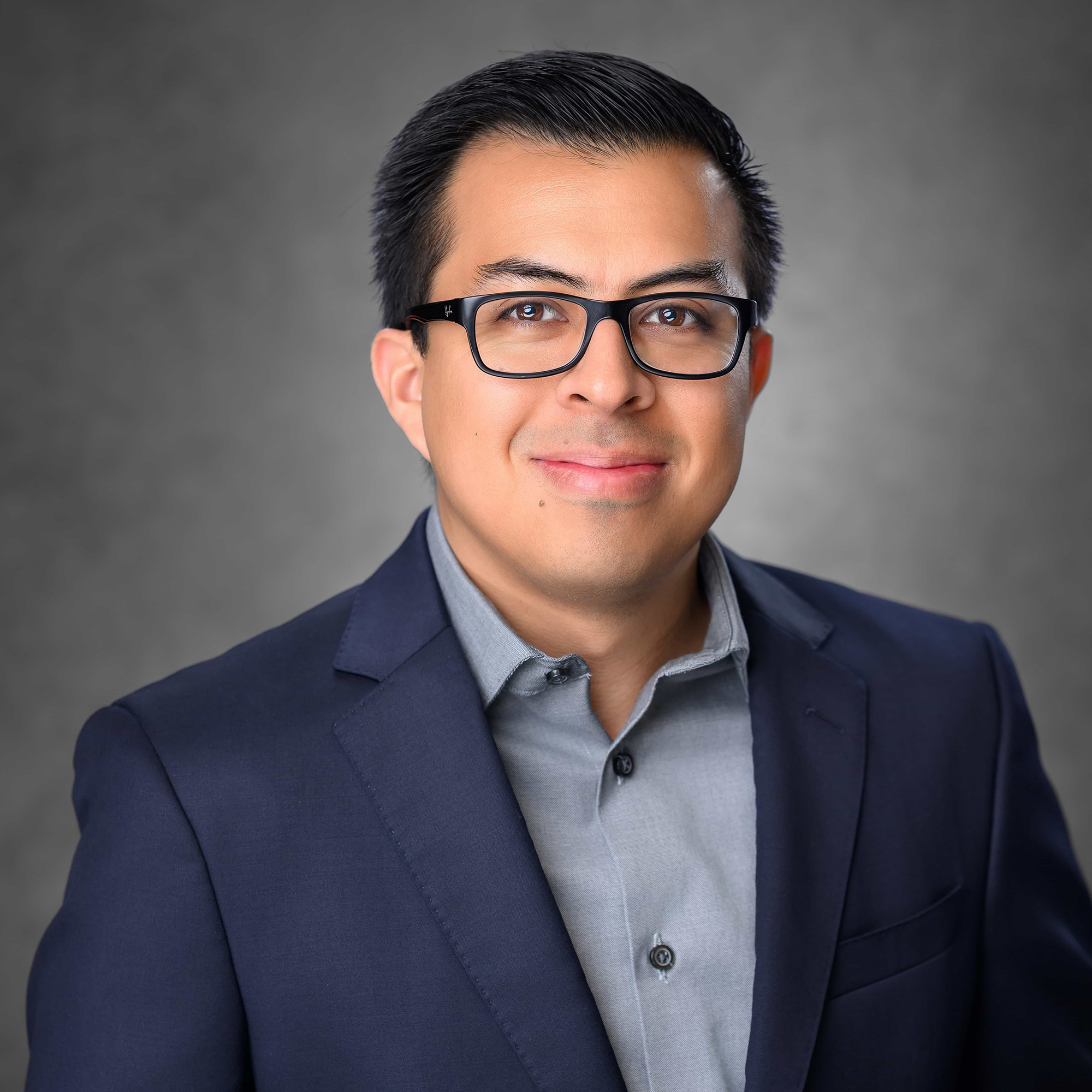
Víctor García-López
Víctor García-López’s project, “Structure-Function Relationships of Photoswitchable Rotaxanes in Membrane Remodeling, Ion Transport, and Memristive Behavior,” has been awarded $700,000 to advance his work on light-responsive molecular machines embedded in lipid membranes. His team studies rotaxanes—molecules in which a ring is threaded onto an axle, like a bead on a string—that change shape and position when light hits them, remodeling the membrane around them.
The project builds on three recent papers from his group, including a 2026 study in Advanced Electronic Materials showing that light-activated rotaxanes can switch a membrane between two distinct electrical states, exhibiting memristance and memcapacitance. The CAREER project will map how different rotaxane designs drive membrane remodeling, ion transport, and electrical behavior.
“Our long-term goal is to develop molecules that can precisely control membrane structure and electrical properties on demand using light, allowing us to switch the same membrane between different history-dependent electrical states,” García-López said.
Such materials could emulate aspects of learning and memory, with potential applications in neuromorphic computing. The award also expands LSU’s regional Chemical Educational Foundation You Be The Solution Challenge, which García-López has led since 2022 with the Gordon A. Cain Center for STEM Literacy and the Capital Area STEM Network, bringing middle school students to campus for chemistry demonstrations and laboratory tours.
Building Coastal Communities That Can Take a Hit
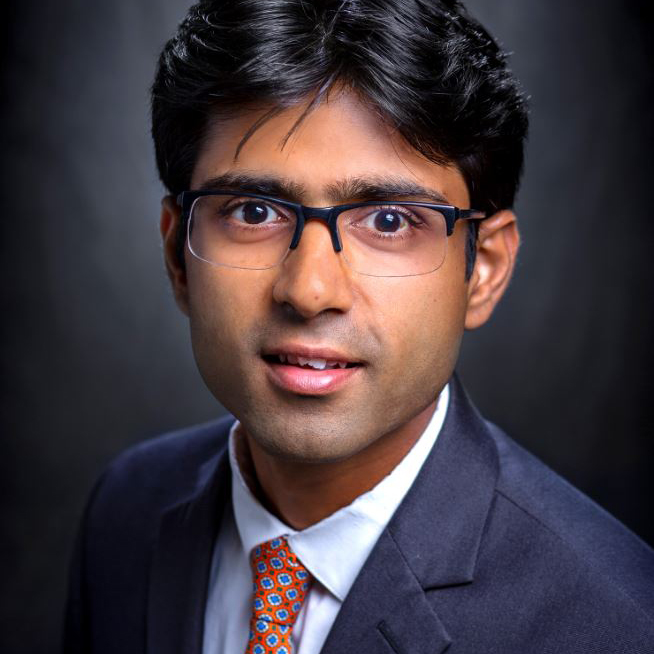
Sabarethinam Kameshwar
Sabarethinam Kameshwar’s project, “Hurricane Surge, Wave, and Debris-induced Forces in Non-stationary Urban Shorelines,” has been awarded $586,625 to study how hurricane-induced building damage changes flooding patterns and the forces acting on the structures left standing. Current hurricane risk models largely treat the built environment as fixed. In reality, when one building fails during a storm surge, it redirects water and sends debris toward its neighbors.
“Understanding how damage to one structure changes the conditions experienced by neighboring structures is essential for improving the way we assess hurricane risk,” Kameshwar said. “This research will help us move beyond simplified assumptions and develop a more realistic picture of how coastal communities respond to extreme storm events.”
His project combines large-scale physical experiments at the Natural Hazards Engineering Research Infrastructure’s Hinsdale Wave Research Laboratory at Oregon State University—using a 1:20-scale model of an urban coastal environment with breakable model buildings held together by electromagnets, so researchers can control exactly when a structure fails—with a sequential computational fluid dynamics framework that simulates the same progressive collapse across a much wider range of urban layouts.
The work will also test whether debris damming, an effect emphasized in tsunami research, has been overestimated as a contributor to structural loading during hurricane storm surge. The findings will inform design standards through Kameshwar’s work on American Society of Civil Engineers committees and support coastal planning by FEMA, the National Institute of Standards and Technology, and Louisiana’s Coastal Protection and Restoration Authority.
Turning Scammers’ Own Tactics Against Them
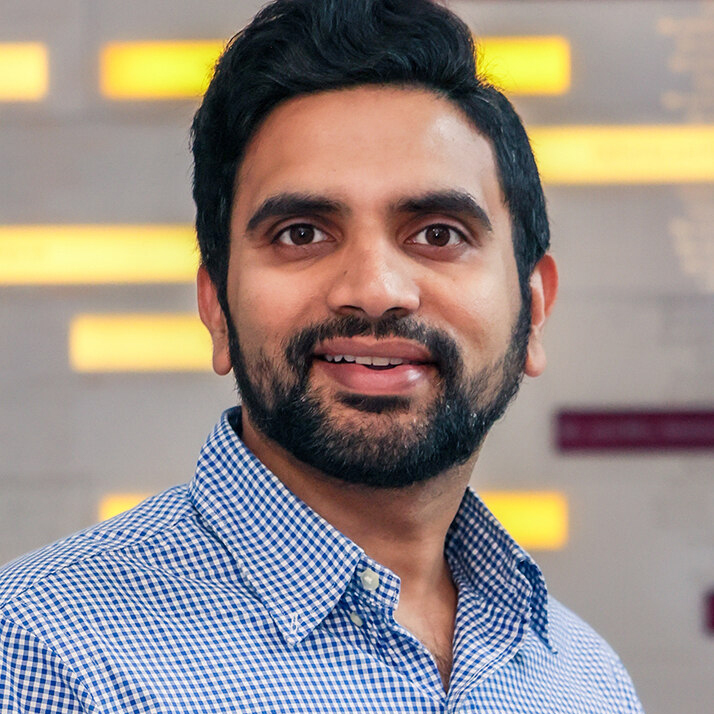
Phani Vadrevu
Phani Vadrevu’s project, “Leveraging Scambaiting Community Knowledge to Defend Against Interactive Social Engineering Attacks,” has been awarded $630,105 to build the first systematic defense against interactive social engineering attacks—the real-time phone, video, and chat scams that drain billions of dollars from victims every year and are notoriously hard to study because they unfold privately, one target at a time.
His approach draws on the global community of “scambaiters,” volunteers who deliberately engage scammers to waste their time. Vadrevu’s team will adapt those tactics into controlled, ethically safeguarded systems that produce something almost no researcher has: conversational transcripts of scams in progress. From that data, the team will train detection systems on three kinds of evidence—the transcripts themselves, behavioral patterns in how targeted users operate their computers, and acoustic signatures of scammers’ voices.
The project includes an AI-based tool that simulates realistic scam encounters for use in public education workshops across Louisiana, developed with law enforcement partners both here and abroad.